Practical write-ups from real client platforms — architecture decisions, AI integration trade-offs, and deployment lessons learned the hard way.
Featured
Artificial IntelligenceSep 1, 202615 min read
Will AI Replace Developers in 2026? The Truth About the Future of Software Development
AI can now write code, debug applications, work across repositories, and handle complex development tasks. But will AI actually replace software developers? Here is what is really changing in software development in 2026.
AI Coding Agents in 2026: From Copilot to Autonomous Software Development
AI coding has moved beyond autocomplete. In 2026, developers are increasingly using agents to plan tasks, modify repositories, run tests, debug failures, and complete multi-step engineering work.
AI-Generated Code Security: How Developers Can Stay Safe in 2026
AI can accelerate development, but generated code can introduce security vulnerabilities. Learn how to build a safer AI-assisted development workflow with testing, code review, scanning, and human oversight.
SvelteKit 3 vs Next.js in 2026: What Should Developers Choose?
SvelteKit 3 is challenging the dominant React framework approach with a simpler architecture and new RPC capabilities. Here is how SvelteKit and Next.js compare for modern web development.
Next.js 16.3 Performance Optimization Guide for 2026
A practical Next.js 16.3 performance guide covering Instant Navigations, Partial Prefetching, Server Components, caching, JavaScript delivery, and Core Web Vitals.
AI Productivity in Software Engineering: How to Measure the Real Impact in 2026
AI adoption is widespread across software teams, but adoption alone does not prove productivity. Learn which engineering metrics can reveal whether AI is actually improving development.
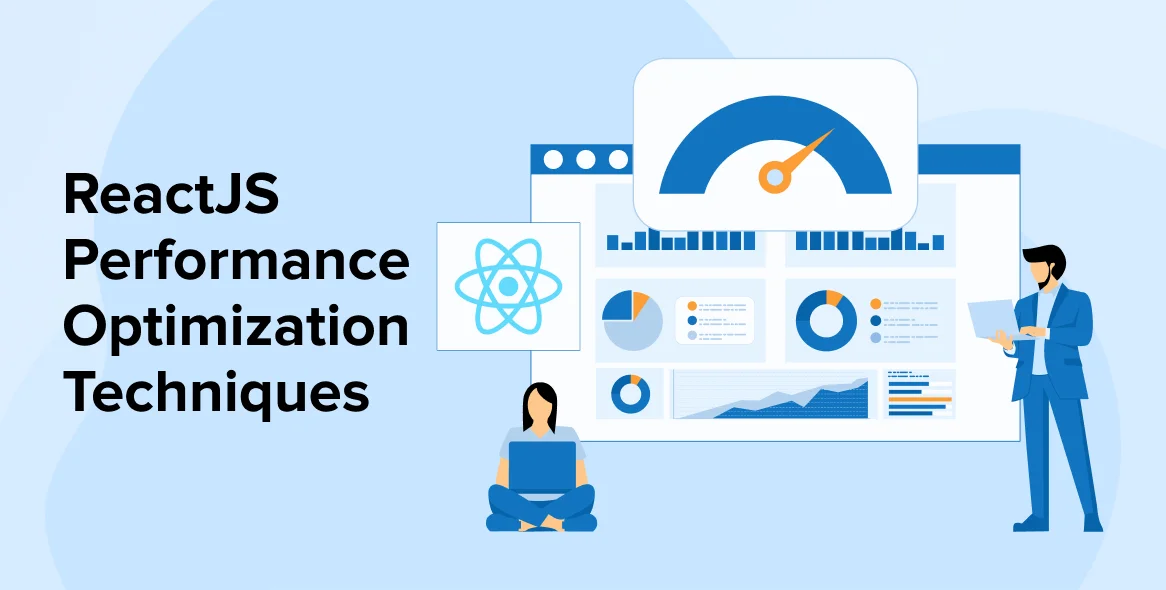
React Performance in 2026: What Developers Should Actually Optimize
React performance optimization is changing with React Compiler, modern rendering patterns, Server Components, and better browser tooling. Here is what still matters.
Full-stack JavaScript applications are evolving around server rendering, API-driven systems, AI integrations, typed code, caching, and cloud deployment. Here is a practical architecture guide.
MCP and AI Agents: Why Tool Connectivity Matters for Web Developers in 2026
AI agents are becoming more capable because they can interact with external tools and systems. Learn why MCP and tool connectivity are becoming important concepts for modern developers.
Web Development Trends in 2026: 10 Changes Developers Need to Know
From AI coding agents and React Compiler to full-stack frameworks, security automation, and agent-ready applications, these are the web development trends shaping 2026.
AI-ready applications need more than an API call. Learn how to design a modern web application with AI features, structured data, security, observability, evaluation, and scalable architecture.
Next.js 16.3 Performance: How Instant Navigations and React Compiler Change Modern Web Apps
Next.js 16.3 brings instant navigations, partial prefetching, faster development, and deeper React Compiler integration. Here’s what developers should know about building faster React applications in 2026.
Lessons from building an OpenAI-powered chatbot and agent workflow for an industrial machinery business — grounding, RAG, and knowing when to hand off.
Next.js Security Update August 2026: What Developers Need to Know
Next.js is preparing a major security release for August 26, 2026. Here is what developers should know about the upcoming update, application security, dependency management, and production deployments.