AI Productivity in Software Engineering: How to Measure the Real Impact in 2026
AI adoption is widespread across software teams, but adoption alone does not prove productivity. Learn which engineering metrics can reveal whether AI is actually improving development.
AI adoption is no longer the interesting metric
AI coding tools have become common across software engineering teams. The more important question is no longer whether developers use AI. It is whether that usage produces measurable improvements in engineering outcomes.
Recent industry research published in August 2026 highlights a growing measurement gap: many teams feel faster, but fewer can clearly demonstrate where the gains come from.
What should engineering teams measure?
Lines of code are a poor measure of productivity. More code can actually indicate worse engineering if the system becomes unnecessarily complex.
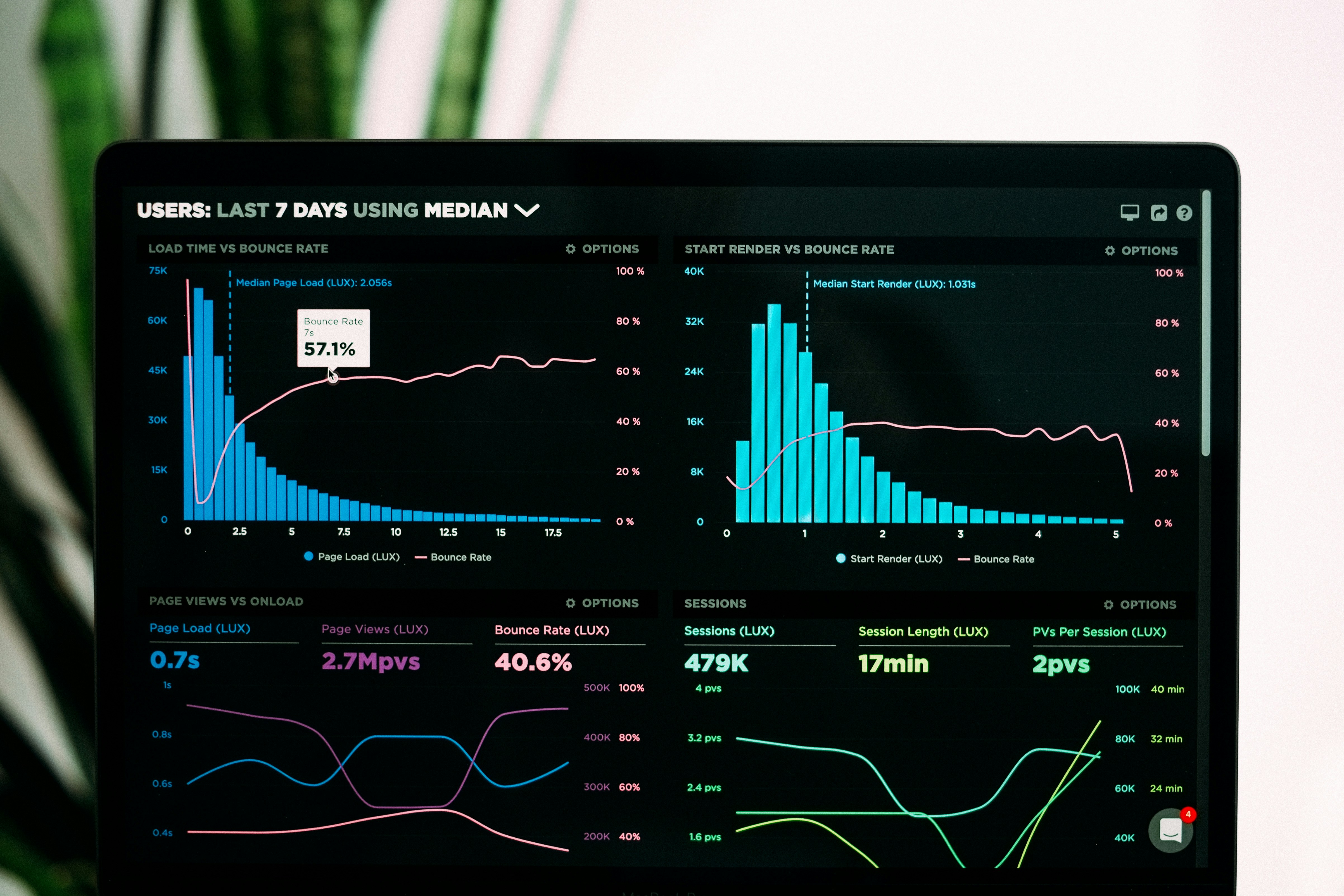
Better metrics include cycle time, deployment frequency, change failure rate, review time, escaped defects, incident recovery, and developer satisfaction.
- Time from issue to production
- Pull request review duration
- Deployment frequency
- Change failure rate
- Production incidents
- Bug escape rate
- Test coverage
- Developer satisfaction
- Time spent debugging
- Time spent on repetitive tasks
AI can make developers faster without making software better
This distinction is critical. An AI agent can generate a feature quickly, but if engineers then spend hours reviewing incorrect code, fixing regressions, and debugging hidden edge cases, the apparent productivity gain may disappear.
The goal should therefore be faster delivery without sacrificing reliability.
The best AI workflow is measurable
Teams should establish a baseline before introducing a new AI workflow. After adoption, compare engineering outcomes over time.
AI should be treated like any other engineering tool: evaluate it based on measurable results rather than enthusiasm alone.
Written by
Tariq Mehmood
Full Stack · WordPress · SEO · AI · Flutter